



 Back to Home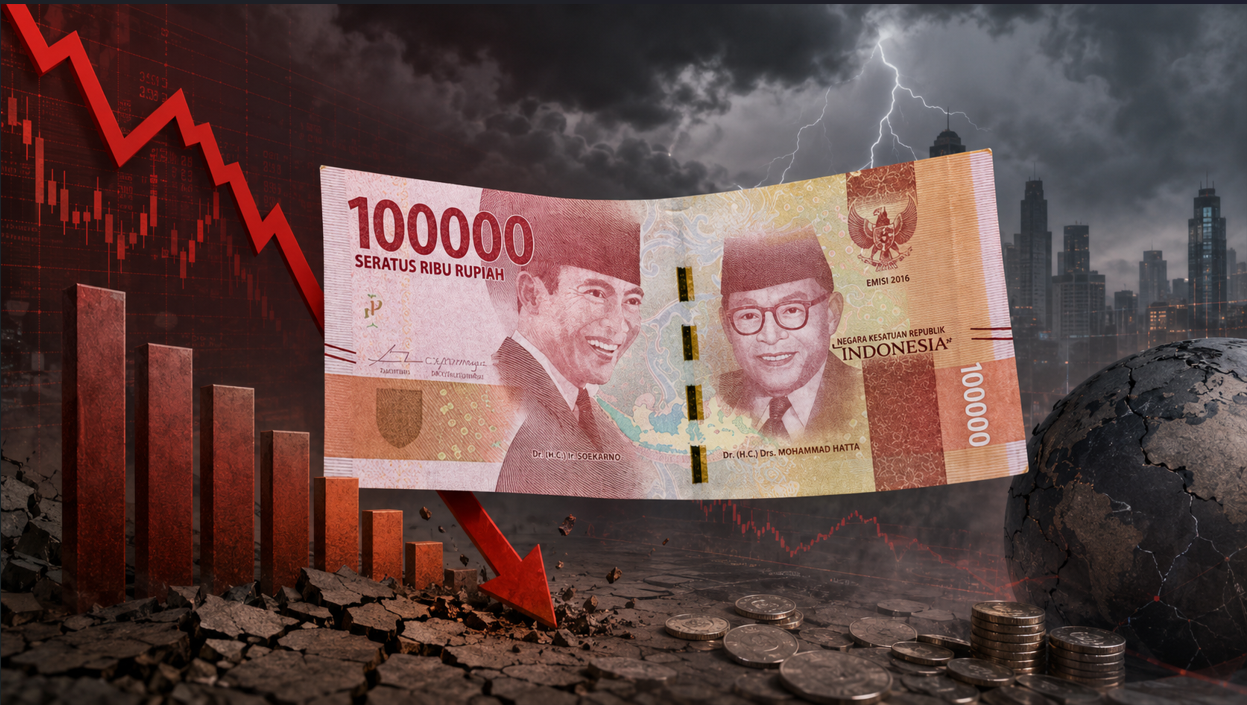
Rupiah Weakens to Rp17,600 per US Dollar, Economic and Market Stability Under Spotlight
Rupiah Weakens to Rp17,600 per US Dollar, Economic and Market Stability Under Spotlight
Jakarta, May 18, 2026 — The Indonesian rupiah has once again recorded a significant depreciation against the United States dollar, reaching around Rp17,600 per US dollar. The weakening exchange rate has raised concerns over rising production costs, increasing prices of essential goods, and potential pressure on public purchasing power as well as business activities.
The depreciation of the rupiah is considered highly impactful as Indonesia still relies heavily on imported raw materials across various industrial sectors, including textiles, electronics, food, oil and gas, and pharmaceuticals. In addition to raw materials, Indonesia also depends on imported capital goods and several consumer products.
The strengthening US dollar has increased import costs, as most international trade transactions are conducted in US dollars. This situation may contribute to higher domestic prices and increasing inflationary pressure.
Amid these conditions, businesses have begun implementing various efficiency measures to maintain operational stability and preserve consumer purchasing power. However, if the rupiah continues to weaken over a prolonged period, pressure on operational costs and business activities is expected to intensify.
From the global perspective, pressure on the rupiah has been driven by rising economic and geopolitical uncertainty, prompting capital outflows from emerging markets. Domestically, investors are also closely monitoring Indonesia’s fiscal conditions, government spending, and the sustainability of national economic financing.
As part of stabilization efforts, Bank Indonesia has prepared several policy measures, including foreign exchange market intervention, strengthening banking liquidity, and monitoring US dollar purchase transactions. The government is also implementing measures to control food prices and stabilize financial markets in order to maintain conducive economic conditions.
Going forward, exchange rate stability is expected to remain a key factor in maintaining economic growth, public purchasing power, and investor confidence in Indonesia’s domestic market.
Source: BBC News Indonesia
Published by:
Dendy Herdian
Communication and Development
Asosiasi Emiten Indonesia


Other News

Press Release
November 14, 2024

Press Release
July 17, 2025

Press Release
April 21, 2025

Press Release
February 14, 2025

Press Release
February 21, 2025

Press Release
March 12, 2025
If you want to know more, let's consult with our team