



 Back to Home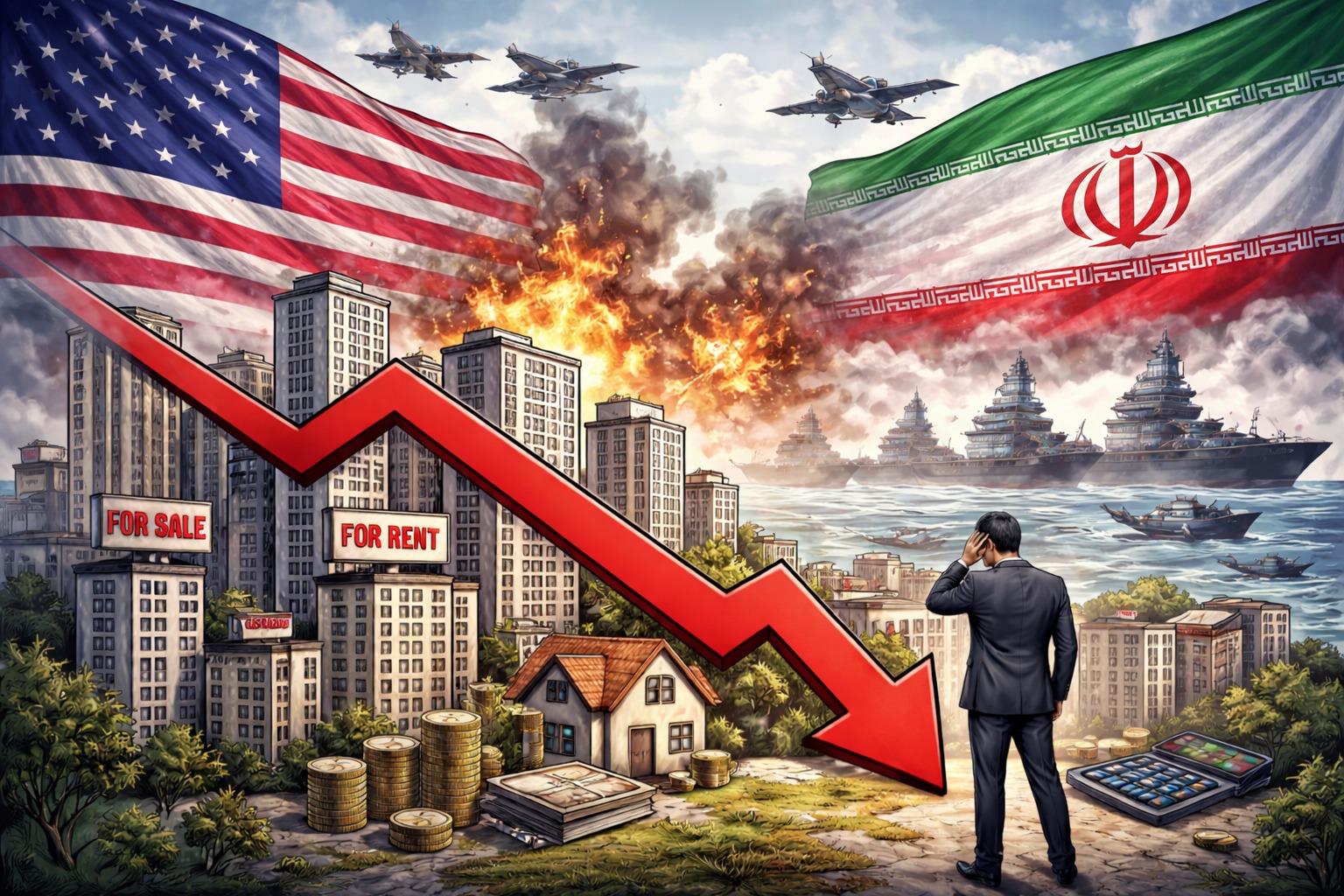
Global Geopolitical Tensions Cast Shadow Over Property Sector, Investment Segment Seen as Most Vulnerable
Geopolitical tensions between the United States and Iran are considered to have the potential to impact the property sector, although the effects may not occur directly. The impact is expected to emerge through various macroeconomic factors that could influence market conditions and investment activities within the property industry.
The property sector is widely known to be highly sensitive to changes in global economic conditions. Uncertainty stemming from international conflicts can potentially trigger higher global oil prices, increased inflationary pressure, and fluctuations in exchange rates. These developments may ultimately affect construction costs, household purchasing power, and investors’ decisions regarding expansion in the property sector.
Several property segments are considered more vulnerable under such conditions. Upper-middle-class apartments, which are typically purchased for investment purposes, are among the most sensitive segments to shifts in economic sentiment. When uncertainty rises, investors tend to delay purchasing decisions while reassessing potential risks.
In addition, speculative property projects are also more exposed to risks during periods of economic instability. The risk becomes even greater for developers with high levels of debt used to finance their projects, as rising costs and slower sales could affect their cash flow and financial stability.
Meanwhile, the hotel sector—particularly those that rely on meetings, incentives, conferences, and exhibitions (MICE)—as well as shopping centers are also considered more vulnerable. Both segments depend heavily on business activities and consumer spending, which typically slow down during periods of heightened economic uncertainty.
Amid global uncertainty, the property market generally moves more cautiously. Investors and consumers may postpone purchasing or expansion decisions until economic conditions are perceived to be more stable, potentially leading to a temporary slowdown in property transactions.
Sumber: IDX Channel


Other News

Press Release
February 27, 2025

Press Release
November 06, 2025

Press Release
September 10, 2024
Press Release
April 10, 2026
Press Release
August 27, 2024

Press Release
November 18, 2024
If you want to know more, let's consult with our team