



 Back to Home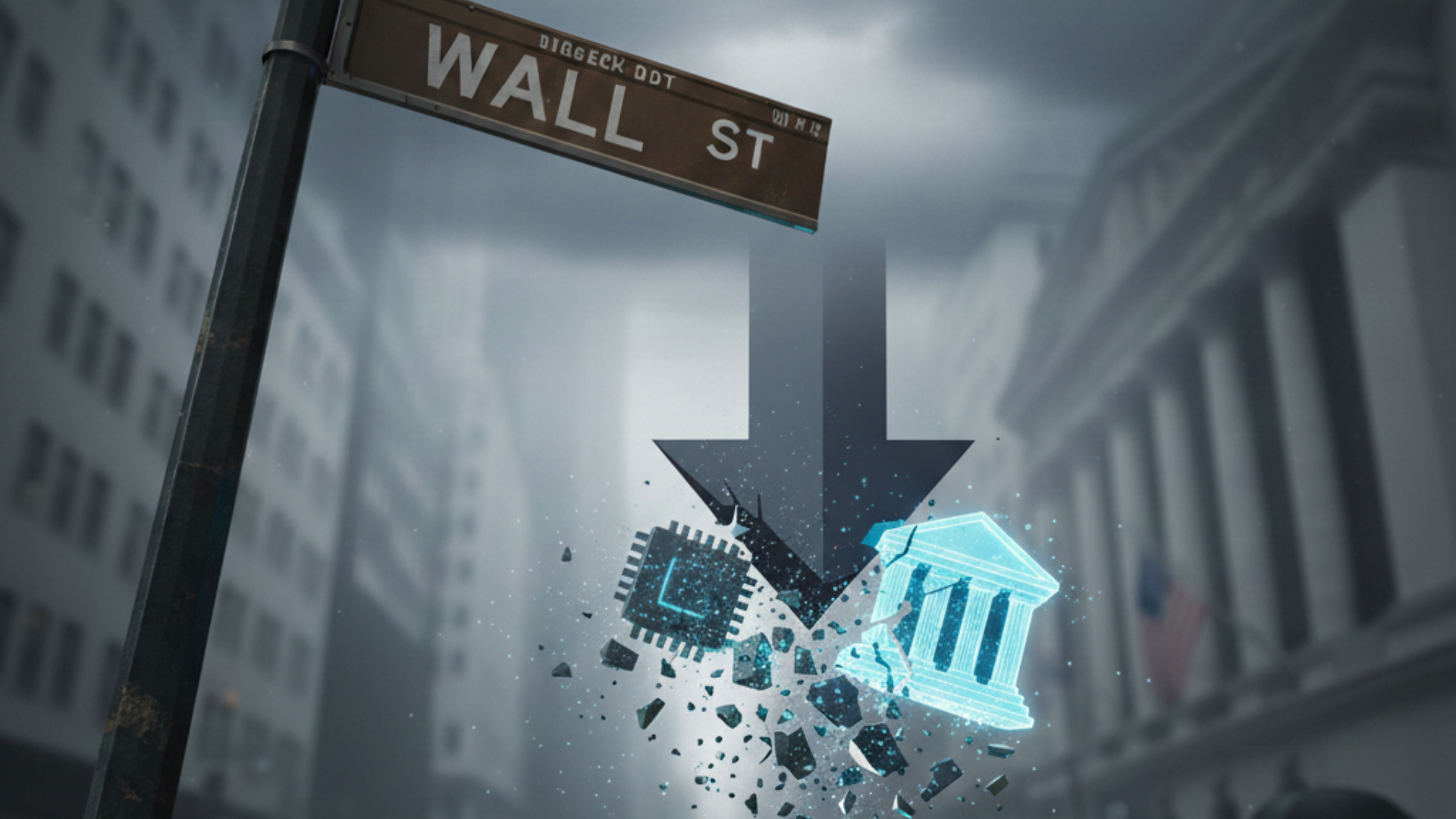
Wall Street Weakens, Technology and Bank Stocks Pressure Global Markets
Wall Street Weakens, Pressure from Technology and Banking Stocks Drags Down the Market
The United States stock market closed in the red on Wednesday (January 14, 2026) local time. The Nasdaq index led the decline, as technology and banking stocks declined.
Quoting Reuters, Thursday (January 15, 2026), the Dow Jones Industrial Average index corrected 42.36 points, or 0.09 percent, to 49,149.63. Meanwhile, the S&P 500 fell 37.14 points, or 0.53 percent, to 6,926.60, and the Nasdaq Composite slumped 238.12 points, or 1.00 percent, to 23,471.75.
The financial sector, including banking, which previously recorded significant growth throughout 2025, has come under pressure in recent days. This decline was triggered by market concerns about US President Donald Trump's proposed cap on credit card interest rates. Several JPMorgan executives believe the policy has the potential to burden consumers and depress the financial industry's profitability.
JonesTrading Chief Market Strategist Michael O'Rourke attributed the decline to profit-taking after a long rally, coupled with less-than-impressive performance reports. These conditions have prompted consolidation in the banking sector.
In the technology sector, investors are starting to shift portfolios away from expensive large-cap stocks and toward value stocks and more defensive sectors.
The S&P 500 financial and technology sector indexes weakened, while defensive sectors such as consumer staples actually strengthened.
On the other hand, energy stocks rose as oil prices remained higher due to concerns about potential supply disruptions from Iran, although oil prices weakened again near the close of trading.
Market participants are also closely monitoring the latest economic data. US producer price data for November came in in line with expectations, while retail sales exceeded estimates. Previously, the December consumer price report also showed an increase in line with projections.
Overall, interest rates are expected to remain stable throughout the first half of this year, including the upcoming Federal Reserve meeting in January. According to LSEG data, market participants expect at least two rate cuts before the end of the year.
SOURCE
IDX Channel


Other News

Press Release
January 02, 2026

Press Release
February 25, 2025

Press Release
May 28, 2024

Press Release
August 28, 2024

Press Release
August 28, 2024

Press Release
July 06, 2025
If you want to know more, let's consult with our team